Business vs Personal Decision Making: Key Differences Explained

Decision Making in Business vs. Personal Life
Friend, decision-making is a part of every person's life.
You make decisions every day.
When to get up.
What to learn.
Where to invest.
With whom to maintain relationships.
Which opportunity to accept.
But an interesting thing is that business decisions and personal life decisions may seem similar, but in reality, their structure, impact, and thinking process are quite different.
If you understand this difference, you can make better decisions in both your professional and personal lives.
The Purpose of Business Decision Making
In the business world, decisions often revolve around results.
Companies and leaders make decisions that:
Improve Revenue
Reduce Costs
Accelerate Growth
Strengthen Market Position
Control Risks
In business, data and strategy are more important than emotions.
Friend, when a company's CEO makes a decision, its impact isn't limited to their personal life.
That decision can impact employees, customers, investors, and the entire organization.
That's why planning and analysis are crucial in business decisions.
The Purpose of Personal Life Decision Making
In personal life, situations are a little different.
The focus of every decision here is your happiness, health, relationships, and future quality of life.
Personal decisions often concern:
Education
Career
Marriage
Family
Friendships
Health
Lifestyle
Simply looking at the numbers isn't enough here.
Emotions, values, and personal priorities also play a very important role.
Business Decisions Are Data-Driven
Friend, in the business world, if a company starts making decisions based solely on emotions, problems can quickly arise.
That's why successful businesses use data.
They conduct market research.
They collect customer feedback.
They analyze competitors.
And then make decisions.
The golden rule of business is simple.
"Measure first, decide later."
Personal Decisions Are Value-Driven
Now look at personal life.
Not everything can be decided from a spreadsheet.
For example:
Would you accept a job in a certain city?
Will you continue a relationship?
Will you switch careers?
Here, along with numbers, your values and priorities are also important.
Sometimes a financially profitable decision can be emotionally damaging.
And sometimes an emotionally rewarding decision is not financially perfect.
That's why balance is so important in personal life.
The Difference Between Business Mistakes and Personal Mistakes
A wrong decision in business can result in financial loss for the company.
Market share can be lost.
Customers can leave.
Growth can slow.
But in personal life, the impact of a wrong decision can be even deeper.
Wrong friendships.
Bad habits.
Bad relationships.
Bad career choices.
These can affect your life for years.
That's why personal decisions should be treated with the same seriousness as business decisions.
Business Leaders and Personal Leaders
Friends, many people are great decision makers in the office but can't manage their personal lives.
And some people are very mature in their personal lives but struggle with business decisions.
True leadership comes when you become a strong decision maker in both areas.
Make your business decisions strategic.
And make your personal life decisions purposeful.
A Common Formula for Business and Personal Life
Now the question is, what is common between the two?
The answer is simple.
Clarity is essential in both areas.
Information is essential in both areas.
Understanding the consequences is essential in both areas.
And taking action is essential in both areas.
Friend, a person who constantly remains indecisive lags behind in both business and personal life.
Which Decision Deserves More Attention?
The truth is, both.
Business can create your income.
But personal life creates your life.
If business is strong and personal life collapses, a person cannot remain happy from within.
And if personal life is strong but financial foundation is weak, challenges arise.
A winning mindset means balancing both sides.
Final Lesson
Friend, business and personal life are two different worlds.
But both require a powerful decision-maker.
Value facts in business.
Value values in personal life.
Value strategy in business.
Value purpose in personal life.
And most importantly,
Make your decisions your power.
Make every decision a means of growth.
Learn from every experience.
And slowly take your life in that direction where you yourself feel proud after seeing your results.
Real-Life Case Studies: When Decisions Changed Everything
Friends, theories and frameworks are important.
But real learning happens when we look at real-world examples.
Let's look at two case studies where companies faced extremely difficult situations, and their decisions defined their future.
Case Study #1: Netflix – From DVD Company to Global Streaming Giant

Today, Netflix is one of the most powerful entertainment platforms in the world.
But friend, it wasn't always like this.
There was a time when Netflix sent DVDs to customers by post. This was its core business, and the company was making money from this model.
Then technology began to change.
The internet was improving.
The concept of streaming was emerging.
Now the problem was that if Netflix moved toward streaming, its existing DVD business could be at risk.
And if it didn't move toward streaming, competitors could overtake it in the future.
This was a very difficult decision.
In the short term, the DVD business was profitable.
But in the long term, streaming seemed to be the future.
Netflix made a bold decision.
It challenged its successful model and focused on streaming.
Initially, there was criticism.
Many customers were upset.
But the company prioritized its long-term vision.
Today the results are in front of you.
Lesson
Friend, sometimes the most difficult decision is when you have to challenge your current success.
People with a winning mindset don't just look at today's profits.
They also look at tomorrow's future.
Case Study #2: Apple – When the Company Was Close to Collapse
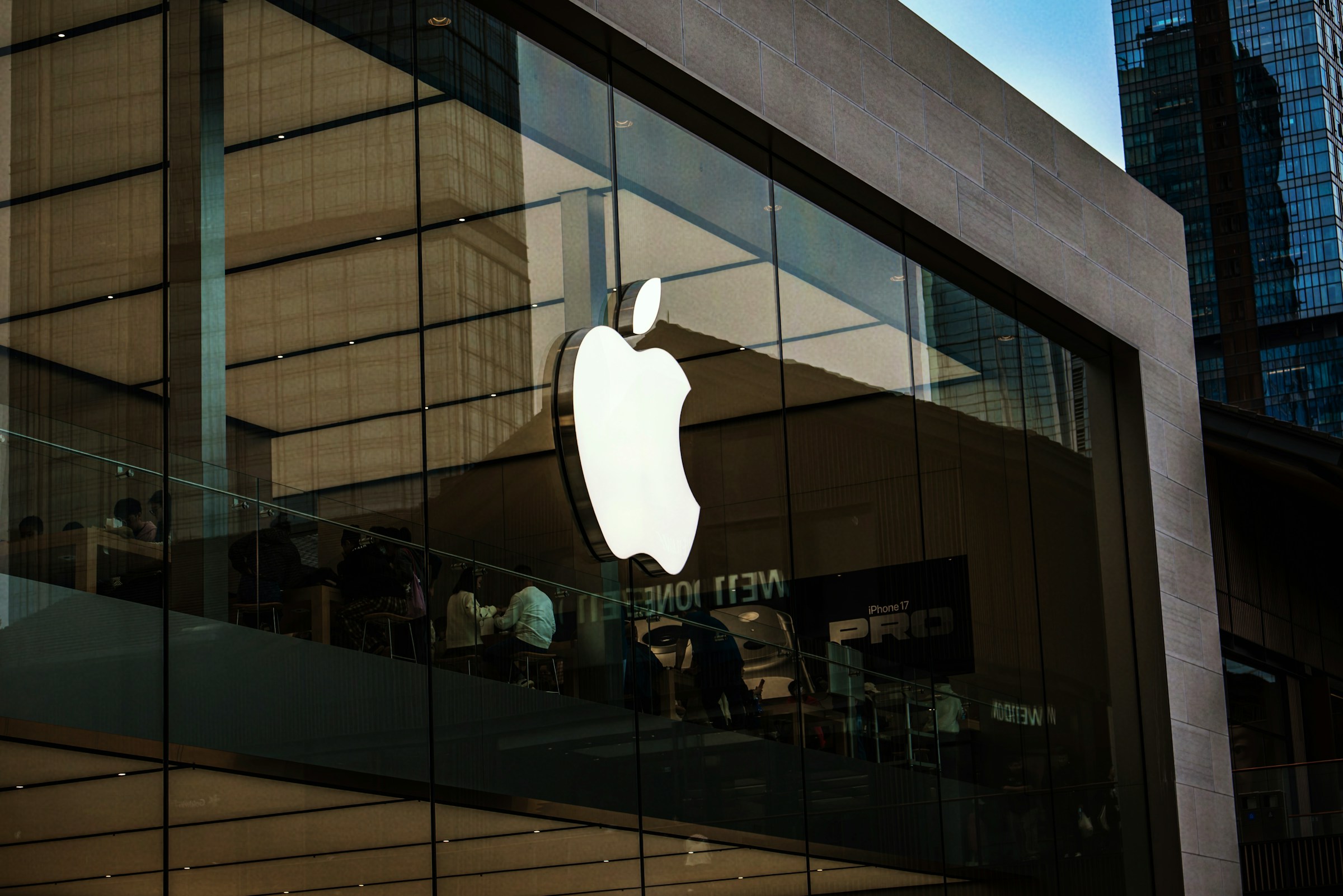
Today, Apple is one of the most valuable companies in the world.
But there was a time when the company was facing financial struggles.
Products were too many.
Direction was unclear.
Competition was strong.
And the market didn't understand what Apple really wanted to do.
The situation had become so serious that many experts began to raise doubts about the company's future.
Then leadership made a very difficult decision.
Dozens of products were reduced.
Focus was narrowed.
Resources were focused on products that could create real value.
This decision was not easy.
Many projects were discontinued.
Many opportunities were rejected.
But the company prioritized focus.
This focused decision-making laid the foundation for the iMac, iPod, iPhone, and other innovations.
Lesson
Friend, accepting every opportunity is not growth.
Sometimes growth also means removing unnecessary things.
Powerful leaders don't do everything.
Powerful leaders focus on the right things.
Final Case Study Lesson
Now look at Netflix and Apple.
Both companies were in different industries.
Both had different challenges.
But they had one thing in common:
Difficult decisions.
Netflix had to choose its future.
Apple had to choose its priorities.
Friend, that's why when you face difficult decisions in life, don't just look at current comfort.
Look at the future impact too.
Sometimes an uncomfortable decision takes you to a place where ordinary decisions never could.
A winning mindset means not running away from problems.
A winning mindset means understanding, evaluating, and then confidently executing difficult decisions.
Frequently Asked Questions
Can the same framework be used for business and personal decisions?
Yes, some frameworks can be used in both. SWOT analysis, cost-benefit analysis, and decision trees can be effective in both business and personal life.
Do emotions play a role in business decisions?
Emotions shouldn't be completely ignored, but business decisions should be based on facts and data.
What is the most important decision in personal life?
Career, life partner, health, and financial habits often affect a person's long-term quality of life the most. Should written analysis be used for personal decisions as well? Absolutely. If the decision is very important, writing down the options, risks, and outcomes provides clarity.
Are fast decisions better or slow decisions?
It depends on the situation. Urgent situations demand fast action, while high-impact decisions require proper analysis.
How do successful people make better decisions?
Successful people control emotions, gather information, consider long-term consequences, and then take action with confidence.
Can decision-making be learned?
Absolutely. Decision-making is not a natural gift. It is a skill that continuously improves with practice, experience, and self-awareness.
What's the secret to success in both business and personal life?
Friendship, clarity, discipline, learning, and consistent action. These four things form the foundation of strong decision-making in any field.